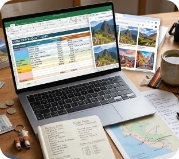
Understanding the local currency, knowing where to exchange money, and planning a realistic budget will help you move through Cusco and the Sacred Valley with confidence and ease.
Peru’s official currency is the Peruvian Sol (PEN).
Banknotes:
10, 20, 50, 100, and 200 soles
Coins:
1, 2, and 5 soles (as well as small-denomination coins worth less than one sol)
It’s always useful to carry small bills and coins, especially when visiting local markets, villages, taxis, or street food stalls where change may be limited.
Exchange houses (Casas de Cambio) usually offer better rates than hotels or airports.
You’ll find many exchange offices in Cusco’s historic center, especially along Av. Sol. Rates are competitive so it’s worth comparing numbers before exchanging larger amounts.
US dollars are the easiest foreign currency to exchange in Peru.
Credit Cards
Visa and Mastercard are widely accepted in hotels, restaurants, and larger businesses in Cusco.
However, smaller towns and local markets in the Sacred Valley often operate cash-only, so it’s important to carry some soles with you. If they do accept cards, many businesses will add a small commission fee to your total, but they should notify you beforehand.
CASH POINTS
Atm Urubamba
Banco de la Nación (MultiRed)
Pisac ATM
Banco de la Nación
Cusco ATM
Banco de la Nación (MultiRed)
Travel costs vary depending on style, but the Sacred Valley is often more affordable than Cusco.
Travel costs vary depending on your style. Here’s a rough daily guide for Cusco and the Sacred Valley:
Backpacker: $25–45 USD per person
Hostel dorms, affordable local meals, colectivos, and mostly free or low-cost activities.
Mid-Range: $60–120 USD per person
Comfortable guesthouses or small hotels, restaurant meals, some taxis, and occasional shared tours.
Comfort / Luxury: $150–300+ USD per person
Higher-end accommodation, more private transport, special dining, and selected guided experiences. Premium hotels and exclusive activities can take this considerably higher.
These daily estimates include accommodation, food, and everyday local transport. Private-room estimates assume two people sharing. Budget separately for flights, Machu Picchu tickets and trains, and multi-day treks. Prices vary with the season and your preferences.
Tipping in Peru is appreciated but is not a standard part of local culture. That said, tourism plays an important role in the economies of Cusco and the Sacred Valley. As the tourism industry becomes increasingly competitive, exceptional service deserves recognition.
In restaurants, leaving 10% for good service is a good starting point.
Tour guides, especially on a private or small-group tour, are often tipped S/20-50, depending on if it was a half- or full-day outing. Guides and teams of porters on a multi-day hike should be tipped S/100-300 (or above) at the end of the service.
For drivers or hotel staff, small cash tips are always welcomed if the service was excellent.
Sacred Reveal Tip
While bargaining can happen in markets, remember that a few soles saved for you may represent a meaningful amount for a local artisan or vendor. If a stated price feels fair, paying it in full helps support the people and traditions that make the Sacred Valley so special.
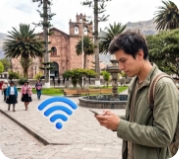
Finding your accommodation, messaging a driver, or locating nearby dining options is easier with mobile data.
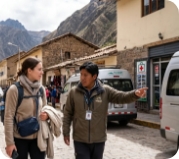
Traveling through Cusco and the scenic Sacred Valley is part of the adventure. While transportation here may feel less structured than in major cities, it is surprisingly accessible once you understand the options.
Understanding the local currency, knowing where to exchange money, and planning a realistic budget will help you move through Cusco and the Sacred Valley with confidence and ease.